A clean-energy future is coming, but it’s a rocky road
Australia’s energy generation landscape is changing. As more and more sources of renewable energy come online, from rooftop solar PV to wind farms and more, the need for more energy storage capacity increases. The need for large-scale storage systems arises from the fact that renewable energy generation often does not align with electricity demand patterns. For example, wind turbines generate electricity when the wind blows, and solar panels produce power when the sun is shining. With climate change effects increasingly apparent, weather patterns are harder to predict and likely to be more extreme in future.
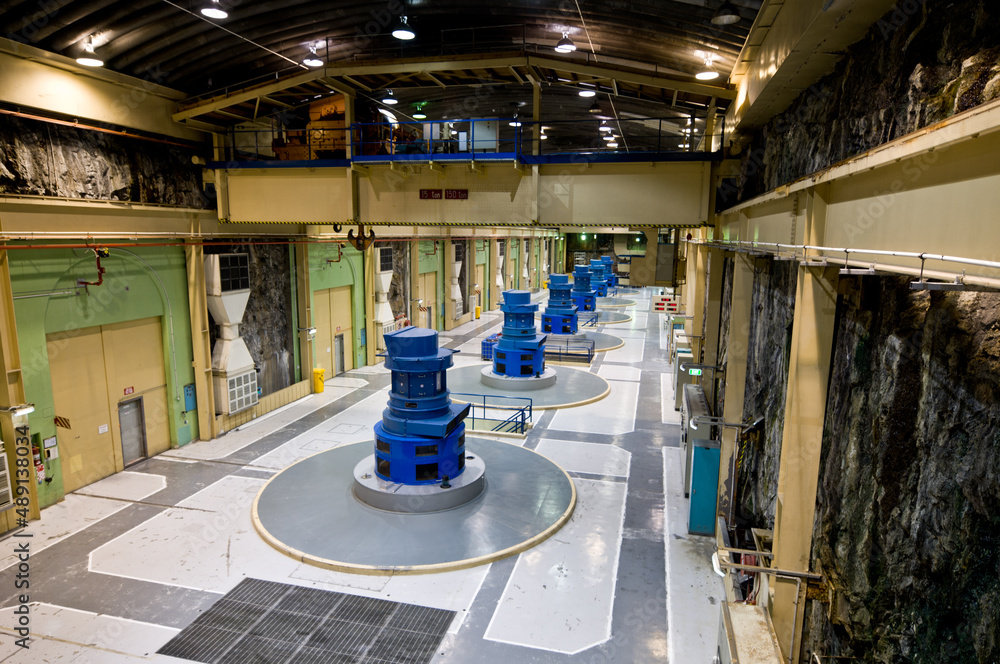
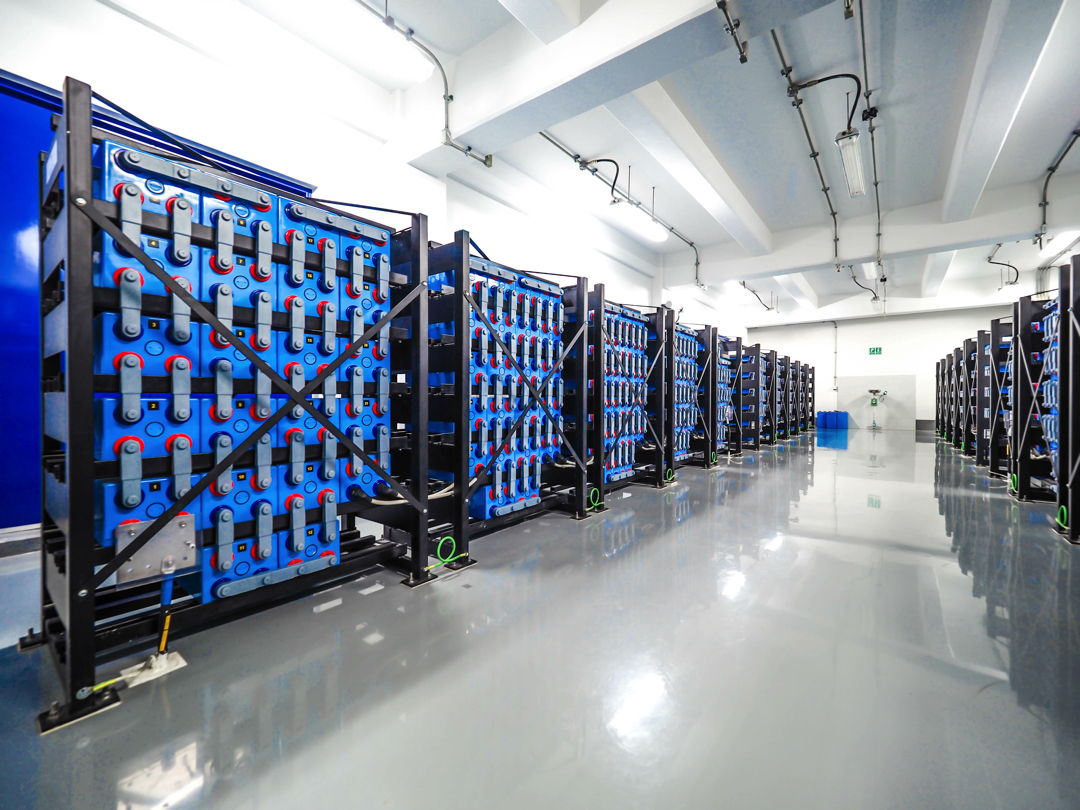
However, these periods of high generation may not coincide with peak demand periods, creating a mismatch between supply and demand. Energy storage technologies are essential for mitigating this imbalance by capturing excess renewable energy during periods of high generation and storing it for later use when demand exceeds supply. Large-scale storage systems enable the decoupling of generation from demand, providing a reliable and flexible energy supply. An energy storage shortfall in the transition to renewable energy will create a consumer affordability crisis (energy costs). By providing a large power load (pumping water uphill) in the middle of the day pumped hydro reduces NEM energy wastage (curtailment) and increases price and value of investment in solar energy. In comparison, peaking gas generators are expensive to run and do not absorb excess midday solar energy.