Green industry

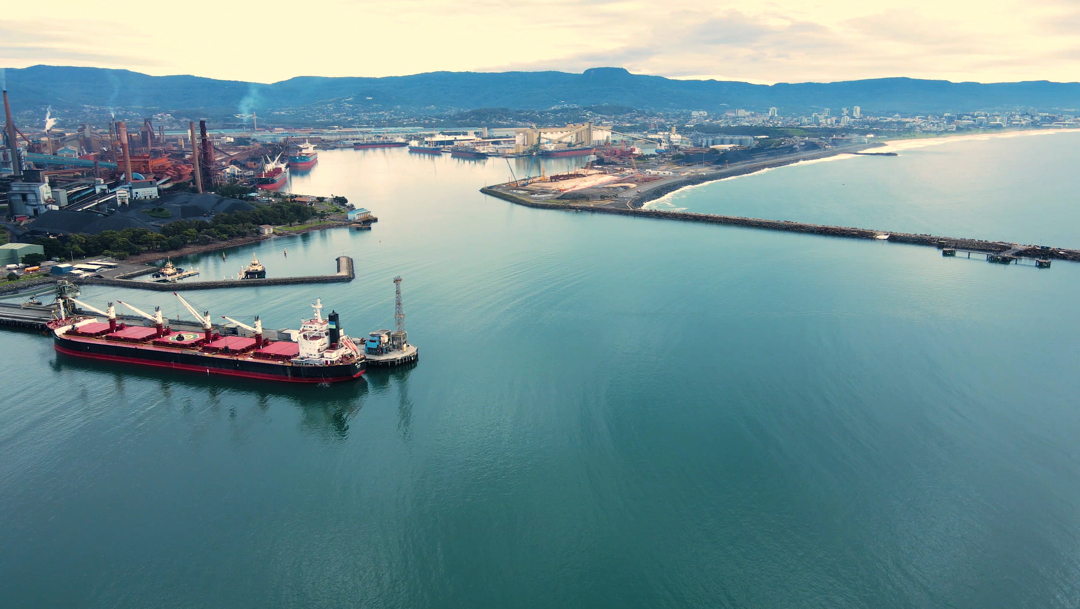
Wollongong: A green industry superpower

Energy storage is the backbone of clean industry based on electrolysis

Water electrolysis produces oxygen and hydrogen, a key component of future energy and chemical feedstocks, that will support new industries and jobs. That future starts with reliable, firm energy supported by pumped hydro.

New mineral processing routes have demonstrated that iron ore may be directly reduced to iron metal, using electricity, without using hydrogen. Direct electrolytic iron reduction may significantly improve the process efficiency and lower the cost of green iron production. Iron metal and scrap steel may be melted in an Electric Arc Furnace to produce steel from existing steel manufacturing plant, such as Port Kembla.

Both hydrogen and electrolytic reduction of iron ore require a low-cost, large capacity firm power source to economically compete in a decarbonised world.

A firm renewable energy-fuelled future means competitiveness and jobs

Hydrogen has emerged as a promising candidate for a low-emissions future. However, creating a hydrogen fuel industry comes with its own challenges. One crucial aspect is ensuring a reliable, firm power supply to power the electrolysers that produce the hydrogen. Without a consistent source of energy, the hydrogen production process would be interrupted, hindering the development of a fully functioning hydrogen industry. Ensuring a steady and dependable power source is crucial if we want to develop a successful hydrogen fuel industry. That’s where pumped hydro comes in.
Pumped hydro means confidence, confidence means investment

Two key factors affect investment confidence: stability and price. As more and more renewable energy generators come online, the potential for price instability increases. Sufficient storage means that energy can be released into the grid, particularly at peak times, to increase supply and reduce prices. The problem is the kind of storage proposed. Batteries alone can’t do the job. Pumped hydro can provide vast amounts of power over long periods.

The combination of diverse battery and pumped hydro suppliers creates a competitive market for storage discharge. This both stabilises the grid, lowers prices and levels out price fluctuations. With the price of power being the critical piece of the cost of hydrogen production, stable energy to supply the electrolysers and stable prices make hydrogen, or ammonia, production more attractive. Pumped hydro can provide reliable firm power supply contracts that will give investors the confidence to back green energy projects.

Co-creating a green industry

The creation of a pumped hydro project at Port Kembla provides not only the storage to underpin the grid and price stability for investment in hydrogen and ammonia energy production. It also creates opportunities for economies of scale by co-locating electrolysis facilities. The greenfield pumped hydro site at Port Kembla would be designed with opportunities for new port facilities, including hydrogen and ammonia production, storage and export. Port Kembla is optimal for hydrogen production due to being grid-connected and being a natural place for port facilities.

Offshore wind resources and proximity to Sydney’s rooftop solar generation also helps. A common energy platform would support electrolysers and supply for new green manufacturing industries and support existing heavy industries to decarbonise and remain competitive. Pumped hydro is the foundation for a green industry future that supports the region’s prosperity.