Water security

A new paradigm for water security with climate change

This pumped hydro system has major benefits for flood mitigation and drought resilience.

From providing additional storage capacity to the ability to inject drinking water into the Greater Sydney network and provide flood relief, the Port Kembla Pumped Hydro proposal has major benefits for protecting a most precious resource – water.

Topping up during dry seasons

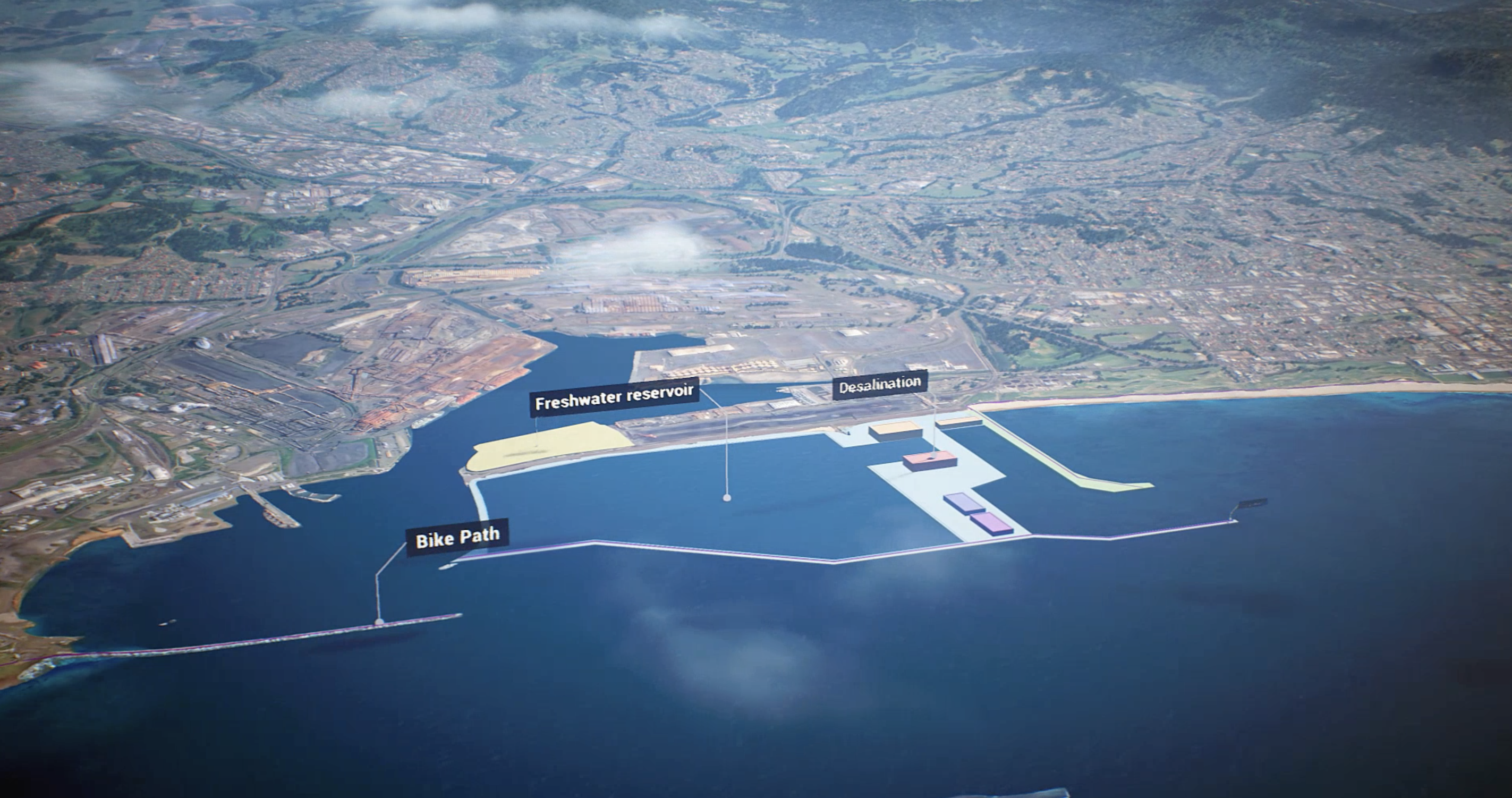
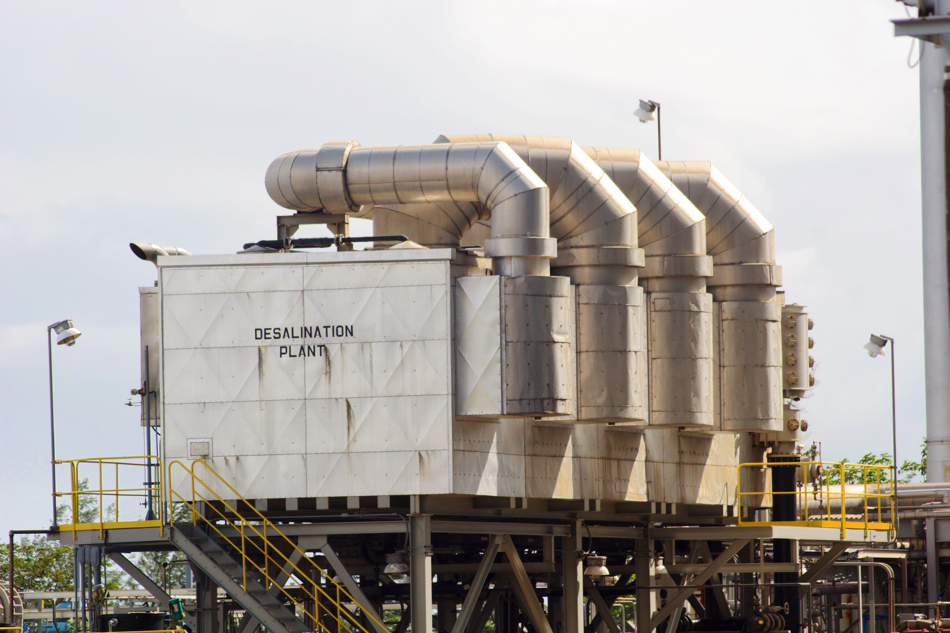
Putting water into the network is the final piece of the water security puzzle. The project proposal includes a desalination plant powered by the pumped hydro system, offering a cheap and reliable source of freshwater for industry and drinking water use. During prolonged dry seasons or even severe drought, the desalination plant can pump water directly into the pumped hydro reservoir, topping up Cordeaux Reservoir and relieving the pressure on the associated water storage. The expanded reservoir water storage, the tunnel to Sydney’s water supply network, the high-capacity pumps, the high-capacity renewable and flexible power supply all perform a dual-use or shared infrastructure with the pumped hydro system. This lowers the cost of augmenting and securing Sydney’s drinking water.

Increasing our drinking water capacity

Building a pumped hydro storage system linking Cordeaux Reservoir with a new, in-ocean reservoir at Port Kembla would boost the reservoir’s current capacity by 50%, or 48 gigalitres. How? By constructing a massive tunnel, 15 metres in diameter, to connect the existing Cordeaux Reservoir with the new reservoir at the bottom. Second, the hydro system works both ways: as a turbine to create electrical energy and as a pump to move water back up the escarpment to the upper reservoir. The connected system of the tunnel and lower reservoir creates additional capacity.

Flood mitigation

The additional storage capacity and large-capacity spillway from the lower reservoir to the ocean can also serve as flood mitigation and flexible water management tools. Because the Cordeaux reservoir is connected to Sydney’s network of water storages, excess water may be conserved and used directly or generated by a desalination plant to satisfy Sydney’s growing drinking water requirement.

Alternatively, the working space in the lower reservoir, where water levels vary from five metres above sea level to 25 metres below sea level, can be filled to take overflow from already full catchments. Finally, if water storages are at capacity and high rainfall events are predicted, the pumped hydro tunnel can simply be used as an ocean outlet, spilling excess water at a rate of 2,880 Megalitres per hour, greatly reducing the risk and impact of flood events discharging to the Nepean River.